
The act of burning the American flag has long been one of the most emotionally charged and controversial forms of protest in the United States. For many Americans, the flag is far more than a piece of cloth. It represents freedom, sacrifice, shared history, and the countless lives lost in defense of the nation. Because of this deep symbolism, the idea that immigrants who burn the American flag should be deported has sparked intense debate across political, legal, and cultural lines.
Supporters of deportation in such cases argue that the privilege of living in the United States—whether through citizenship, permanent residency, or other legal status—comes with responsibilities. From their perspective, respecting national symbols is a basic expectation of those who benefit from the country’s protections and opportunities. Burning the flag, they argue, is not merely a form of protest but a deliberate act of disrespect toward the nation itself.
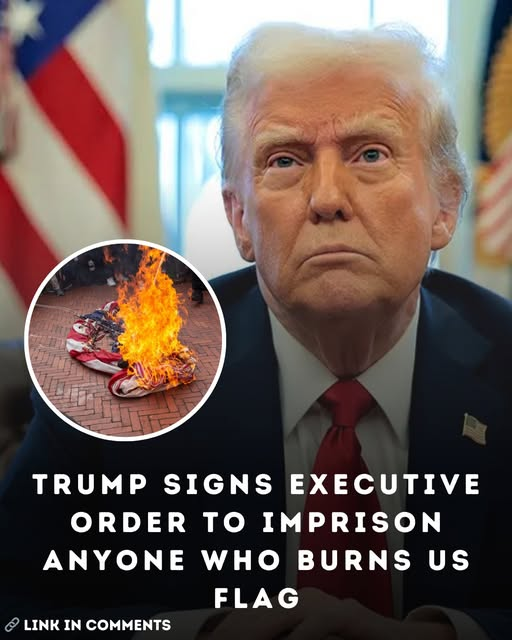
Advocates of this view often frame the issue as one of loyalty and gratitude. They contend that immigrants who publicly reject American values while continuing to live in the country send a troubling message. In their eyes, freedom of expression should not include actions that they believe attack the nation’s identity or unity. Some supporters also argue that strong consequences would help reinforce social cohesion and demonstrate that American symbols deserve respect.
On the other side of the debate, critics strongly oppose deportation as a response to flag burning. They point out that the U.S. Supreme Court has ruled flag burning to be a form of protected speech under the First Amendment. From this legal perspective, the right to express unpopular or offensive views is a cornerstone of American democracy—one that applies to citizens and non-citizens alike.
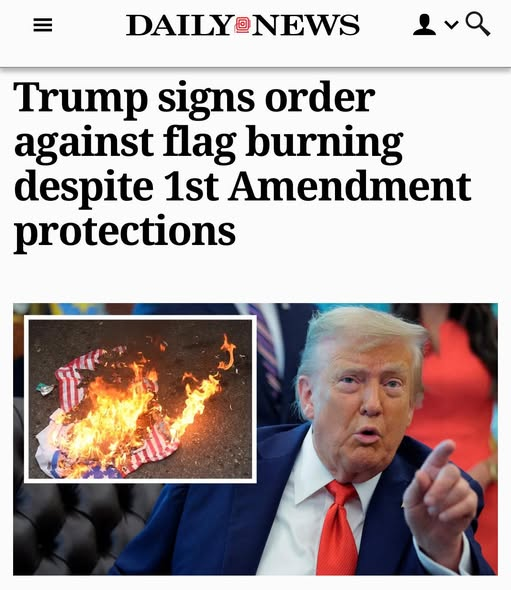
Opponents argue that punishing immigrants for political expression undermines constitutional principles and creates unequal standards based on immigration status. If a citizen cannot be jailed or stripped of rights for burning the flag, critics ask, why should an immigrant face deportation for the same act? They warn that such policies could open the door to selectively punishing speech, especially when it challenges those in power.
Many also emphasize that the United States has historically defined itself as a nation that protects dissent. From protests against war to movements for civil rights, controversial forms of expression have often played a role in social progress. To critics, protecting free speech—even when it is uncomfortable—is a sign of national strength, not weakness.
Beyond legal arguments, the debate also raises broader social and ethical questions. Does respecting the flag mean enforcing punishment for acts of protest, or does it mean defending the freedoms the flag represents? Should immigrants be held to different standards of expression than citizens, or does equality before the law demand the same rights and protections for all?
Some observers worry that deportation proposals fueled by symbolic acts risk shifting immigration policy away from security and legality toward cultural conformity. They caution that emotional reactions to provocative protests should not override constitutional safeguards or due process. Others counter that national identity cannot survive without shared values and mutual respect, and that symbols play a crucial role in maintaining unity.
At its core, the debate is not only about flag burning or immigration—it is about how a democratic society balances freedom of expression with respect for national identity. It forces Americans to confront difficult questions about loyalty, tolerance, and the meaning of patriotism in a diverse society.
As opinions remain deeply divided, one question continues to dominate the discussion: should freedom of speech protect even those actions many find offensive, or should immigrants face consequences for acts seen as rejecting the nation that hosts them? How Americans answer this question reveals much about their vision for democracy, equality, and national values.

