The idea of limiting public office strictly to U.S. citizens—a position strongly supported by President Donald Trump—has sparked widespread debate across the country. Supporters argue that holding public office is a profound responsibility that should be reserved exclusively for citizens who owe full allegiance to the United States.
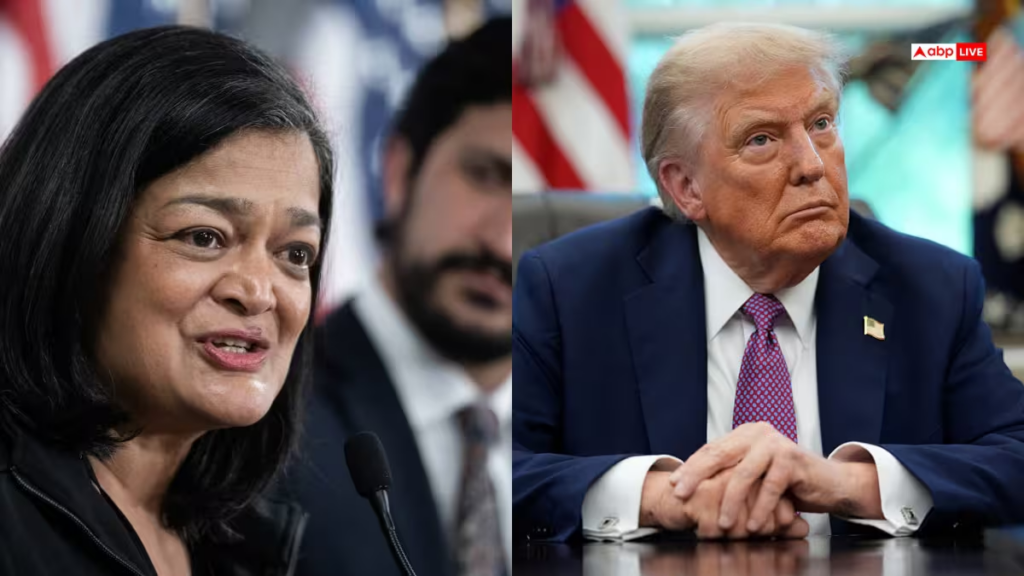
From this perspective, citizenship is seen as a safeguard of loyalty to the Constitution, a deep understanding of American values, and long-term accountability to the nation and its people. Advocates believe that those entrusted with governing should have an unquestionable civic bond to the country they serve.
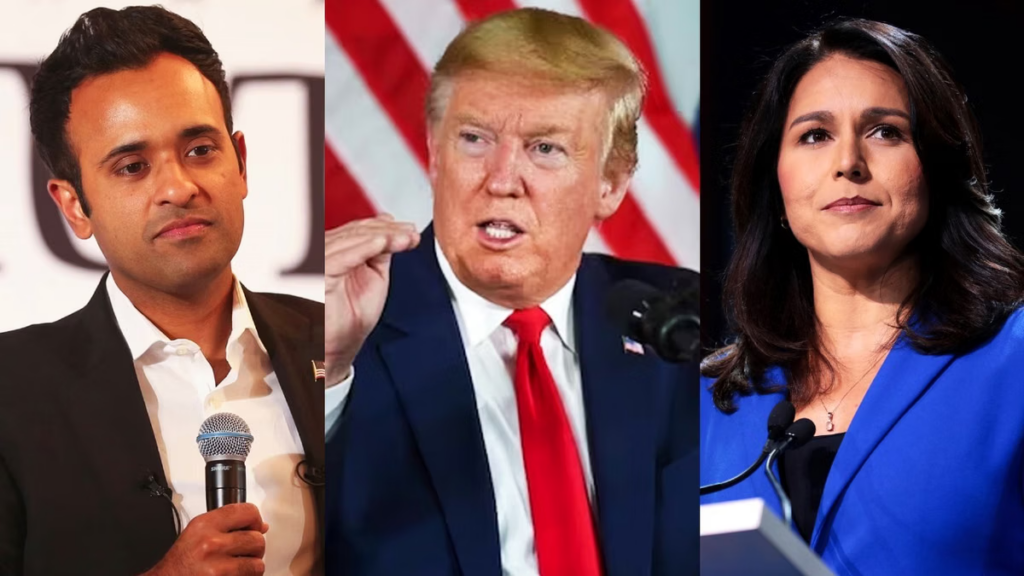
Supporters also contend that restricting public office to citizens helps protect national sovereignty and reduces the risk of foreign influence in government decision-making. They argue that leadership roles—especially those involving legislation, public spending, and national security—should be held only by individuals with a permanent legal and civic stake in America’s future.
Critics, however, say this position oversimplifies a complex issue. While most high-level offices already require U.S. citizenship, opponents worry that the broader rhetoric may marginalize legal immigrants who contribute significantly to society through work, taxes, and community involvement. Some argue that immigrants can offer valuable perspectives, particularly at the local level, and that inclusion strengthens democratic participation rather than weakens it.
As the discussion continues, the central question remains unresolved: do stricter limits on who may hold public office reinforce democratic integrity, or do they risk excluding voices that could enrich public service? Where one stands often depends on how loyalty, representation, and the purpose of public office are defined in modern America.