
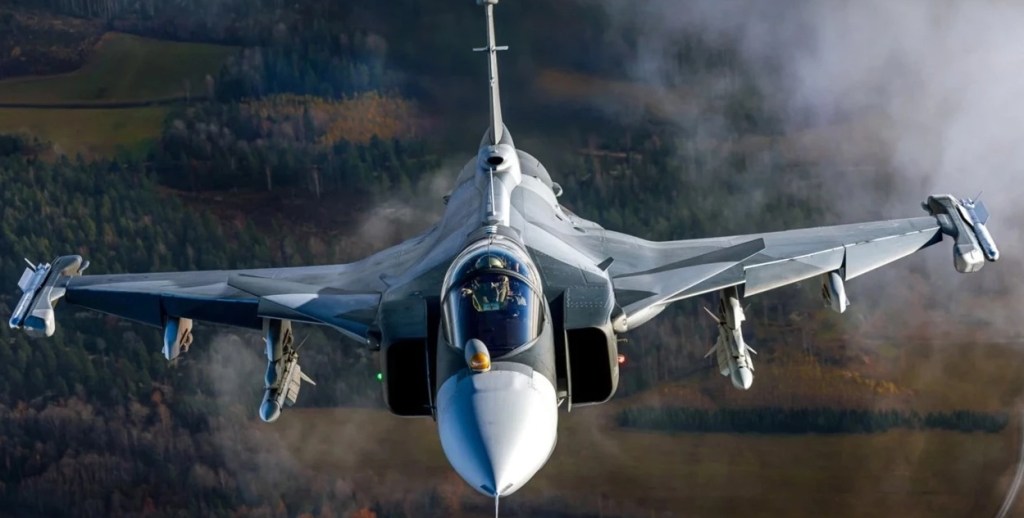
Canada’s defense landscape is on the brink of a seismic shift as the Gripen fighter jet, once considered an underdog in the competition for the country’s next generation of aircraft, gains unprecedented momentum through a potential partnership with Rolls-Royce. This collaboration could not only redefine Canada’s air power but also challenge the longstanding dominance of the U.S. in the global fighter aircraft market.

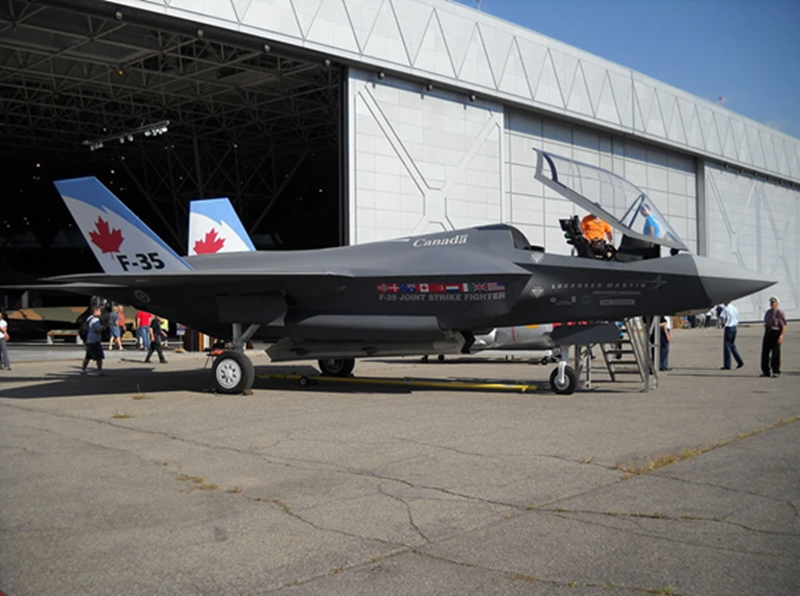
For years, Canada has been poised to purchase 88 American-made F-35s, a decision many believed was set in stone. However, behind the scenes, a complex web of political pressures, operational needs in the Arctic, and rising costs have prompted Ottawa to reconsider its options. Enter the Gripen, now armed with a compelling advantage: the British aerospace giant Rolls-Royce.
Historically, the Gripen has faced limitations due to its reliance on the U.S.-made GE F414 engine, which conferred Washington veto power over exports and deployment. The introduction of a Rolls-Royce engine would not merely replace one supplier with another; it would represent a strategic pivot, granting Canada and its allies operational freedom previously hindered by American political considerations. This shift could empower Canada to pursue a fighter jet that aligns more closely with its unique geographical and strategic needs.

The Gripen is already recognized for its efficiency and adaptability, making it well-suited for Canada’s harsh climates and vast territories. However, the addition of a Rolls-Royce engine would enhance its performance, reduce maintenance costs, and improve reliability, particularly in Arctic operations. The British engine option would also facilitate deeper industrial cooperation between Canada and the U.K., fostering domestic production capabilities and technology transfers that the F-35 program has not provided.
This potential partnership is not just about technical specifications; it symbolizes a broader move towards strategic autonomy for Canada. A Gripen powered by a Rolls-Royce engine would be free from U.S. export restrictions, transforming it into a politically unencumbered fighter jet that could serve as a model of independence for other nations. For countries like Canada, Finland, and the Czech Republic, this presents a viable alternative to the F-35, which has been criticized for its costs and dependency on U.S. approval for upgrades and maintenance.

Furthermore, the implications of this shift extend beyond national defense. The partnership could disrupt the Pentagon’s influence over global defense contracts, reshaping the competitive landscape in favor of nations seeking more flexible and independent military solutions. A successful Gripen-Rolls-Royce collaboration could lead to a significant loss of contracts for the F-35, weakening U.S. geopolitical leverage in the process.

Several indicators suggest that a partnership between the Gripen and Rolls-Royce is gaining traction. Observers should watch for any shifts in Canada’s defense procurement policies, particularly delays in payments for the F-35 program, as these could signal an opening for the Gripen. Technical announcements from Rolls-Royce or Saab regarding co-development or upgrades would further indicate a deepening partnership. Additionally, any commitments to industrial participation within Canada would be a strong sign that negotiations are advancing.

Public sentiment in Canada is increasingly leaning towards independent defense choices, creating a favorable political climate for the Gripen. This is not merely a decision between two fighter jets; it is a pivotal moment that will shape Canada’s defense strategy and industrial policy for decades to come.
As the world watches closely, the question remains: Will Canada continue down the familiar path aligned with U.S. interests, or will it seize this opportunity to carve out a bold, independent identity on the global stage? The answer will not only define the future of the Royal Canadian Air Force but also Canada’s role within the Western alliance.

