
SG. Most children measure their childhood in birthdays, school years, and the height marks on a bedroom wall.

Amelka measures hers in chemotherapy cycles, operating rooms, and long, silent nights beneath the hum of fluorescent hospital lights.
Most children count their years by candles on a cake, first days of school, and the steady climb of pencil marks tracking their growth. Their memories are stitched together with playground laughter, scraped knees, and bedtime stories.
Amelka’s childhood has been measured differently.
She counts time in hospital bracelets and treatment schedules. In the beeping of monitors and the careful footsteps of nurses during the night. In the sterile brightness of oncology wards where the lights never fully dim and sleep is often interrupted by another check, another medication, another test.
At just three and a half years old, Amelka was diagnosed with stage IV neuroblastoma — an aggressive childhood cancer that had already spread. It was a diagnosis too vast, too frightening for someone who still needed help tying her shoes. While other toddlers were learning their ABCs and choosing favorite cartoons, Amelka was learning the names of medications. She became familiar with the steady rhythm of IV drips and the cold sting of injections. She learned, far too early, what it means to be brave.
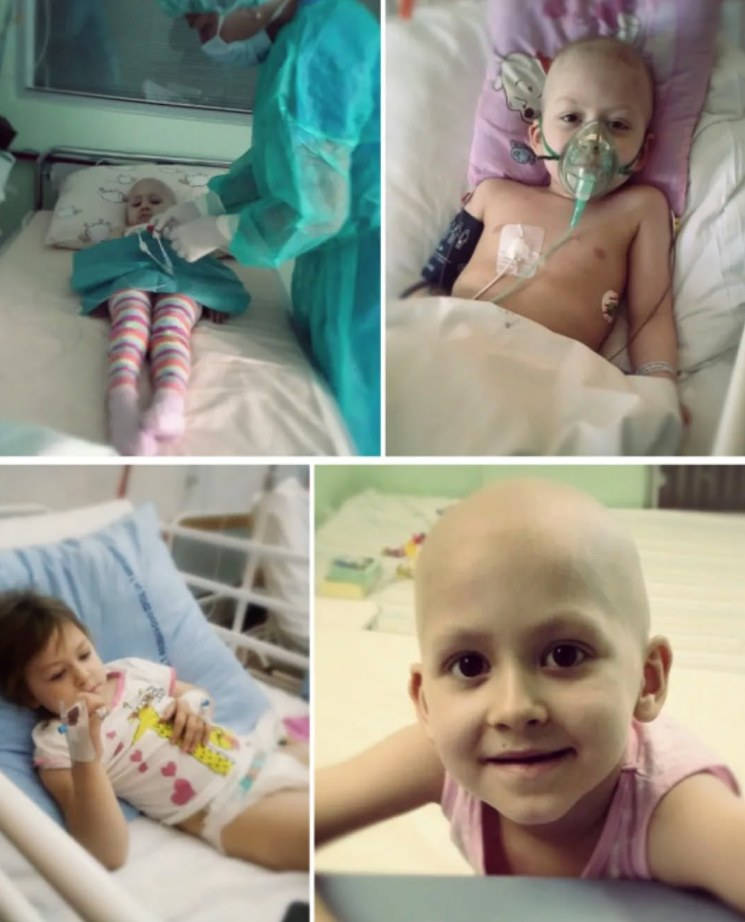
Her journey has been anything but ordinary.
Chemotherapy came first — powerful drugs designed to destroy the cancer but harsh enough to take so much more. The treatments left her exhausted, nauseated, and painfully weak. Her once-carefree days were replaced with cycles of treatment and recovery, hope and heartbreak. Then came major surgeries, where skilled hands worked for hours to remove as much of the disease as possible. Each time the operating room doors closed, her family waited in suspended breath, clinging to the fragile promise of “successful procedure.”
There were stem cell transplants — complex, grueling processes that required immense strength from a body so small. These treatments were not just physically demanding; they were emotionally draining for everyone who loved her. Every step forward seemed to demand a sacrifice.
And yet, Amelka endured.
There was a season — brief, shining, almost unbelievable — when the scans showed remission. For the first time in what felt like forever, her family allowed themselves to imagine a different future. They pictured school mornings without hospital visits. Playdates uninterrupted by treatment schedules. A childhood reclaimed.
That fragile remission felt like sunrise after an endless night.
But the sunrise did not last.
The cancer returned, determined and unrelenting. The word “relapse” echoed through hospital corridors like a cruel déjà vu. Once again, treatment plans were rewritten. Once again, hope had to fight its way through fear.
For four relentless years, Amelka has faced more battles than many adults will ever know. She has celebrated birthdays between treatments. She has unwrapped presents beside hospital beds. She has smiled for photos even when pain lingered behind her eyes. Through it all, she has shown a resilience that defies her age.
Doctors have done everything available within reach. Every approved protocol. Every recommended procedure. Every carefully calculated dose.
Now, her fight stands at a critical crossroads.
One final option remains: specialized antibody therapy abroad — an advanced treatment not available in her home country. This therapy is designed to help her immune system recognize and attack the cancer cells that continue to threaten her life. For children like Amelka, it represents more than medicine. It represents possibility.
But accessing this treatment requires travel, resources, and time — things that feel painfully limited when measured against a disease that does not wait.
This is not just another procedure added to a long list of medical interventions. It is not simply the next appointment on a crowded calendar.
It is hope in its most fragile, precious form.
For Amelka, this therapy could mean more than extended survival statistics. It could mean the chance to measure her life in simpler ways again — in school years instead of chemo cycles. In friendships instead of follow-up scans. In the ordinary, beautiful milestones that define childhood.
Her story is not only about illness. It is about endurance. About a little girl who continues to smile through the weight of treatments that would overwhelm many grown adults. It is about parents who have learned to be strong even when their hearts are breaking. It is about holding onto belief when the path forward feels impossibly steep.
Most children measure their childhood in birthdays and height marks on a bedroom wall.
Amelka deserves the chance to do the same.
