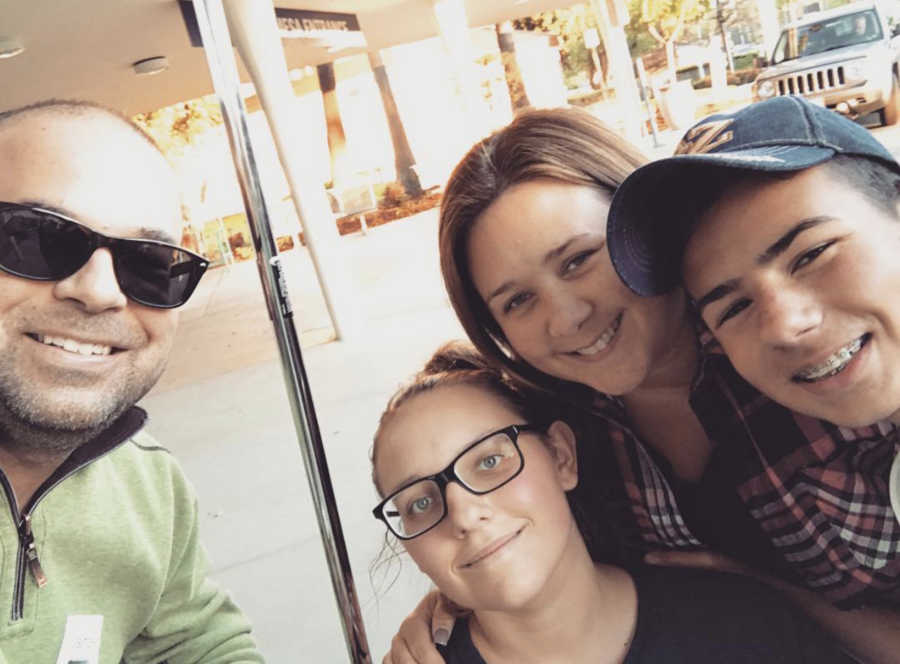
ST.Doctors Missed Her Lupus for Years — Then Sepsis, Kidney Failure, and Blood Clots Nearly Took Her Life… But She Refused To Give Up

I don’t think anyone is ever truly prepared for life to change in devastating ways — whether it’s losing someone you love, losing your livelihood, or, in my case, facing a health crisis that completely alters your future. There’s no handbook that tells you how to cope when a doctor sits across from you and explains that you have an incurable illness — one that will require lifelong treatment and show up again and again with unexpected challenges you can’t predict or control.
In March 2021, I was officially diagnosed with Systemic Lupus Erythematosus (SLE). But deep down, I know I had been fighting this disease long before that date. My family suspected lupus as early as May 2019, yet getting an actual diagnosis proved incredibly difficult. I battled relentless fatigue, swelling, joint pain, fevers, hair loss, nausea, memory problems, brain fog, Raynaud’s, mouth ulcers, and the dreaded malar rash. Worst of all, lupus was silently attacking my kidneys, bladder, ovaries, thyroid, liver, and even my brain.
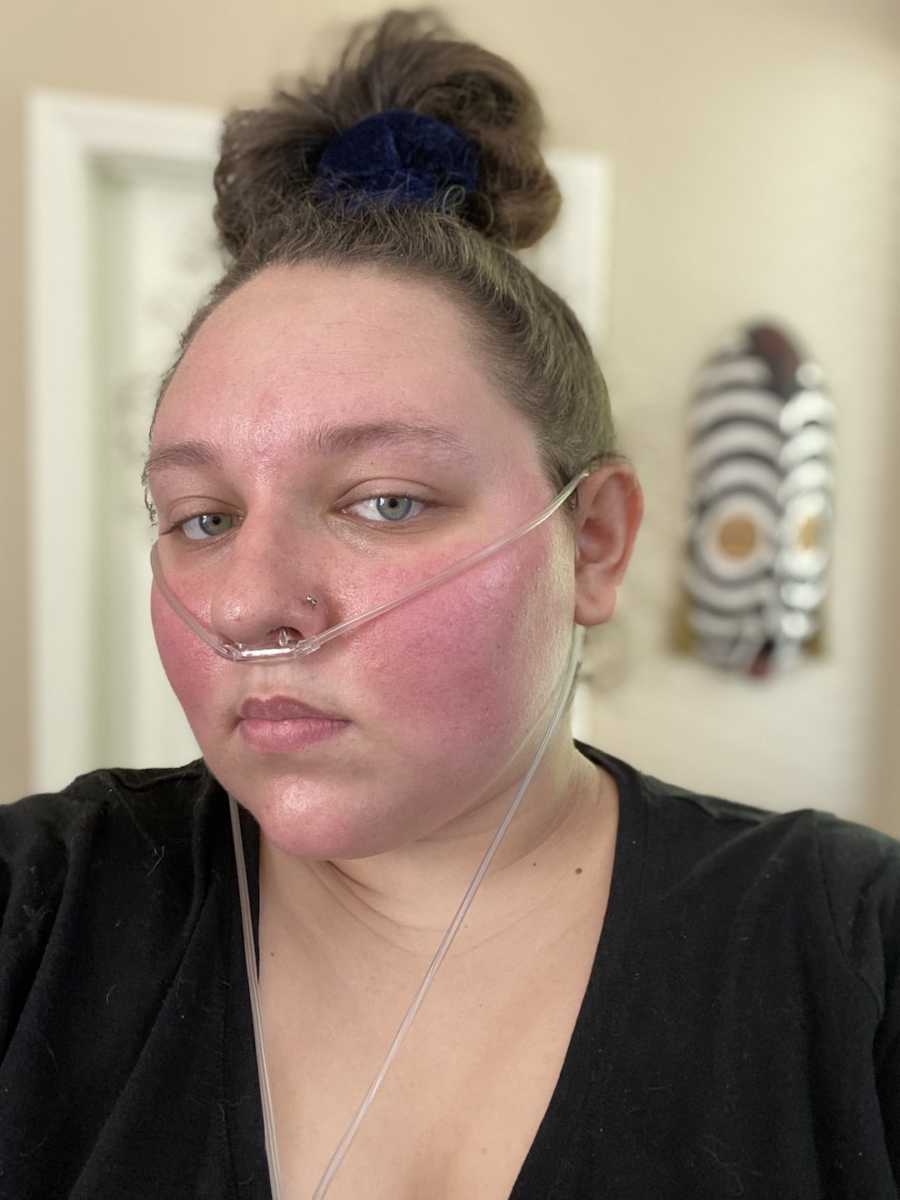
One of the biggest obstacles was that my bloodwork didn’t tell the full story. My inflammatory markers were always high, but my ANA and other lupus markers constantly flipped between positive and negative. Doctor after doctor shrugged, calling my case “complex,” insisting there wasn’t a clear explanation for what was happening to my body. Finally, on my fourth try, I met a rheumatologist who looked beyond the numbers and trusted my symptoms. When she confirmed SLE, I felt both overwhelmed and relieved — like we had finally uncovered the truth we’d been chasing for years.

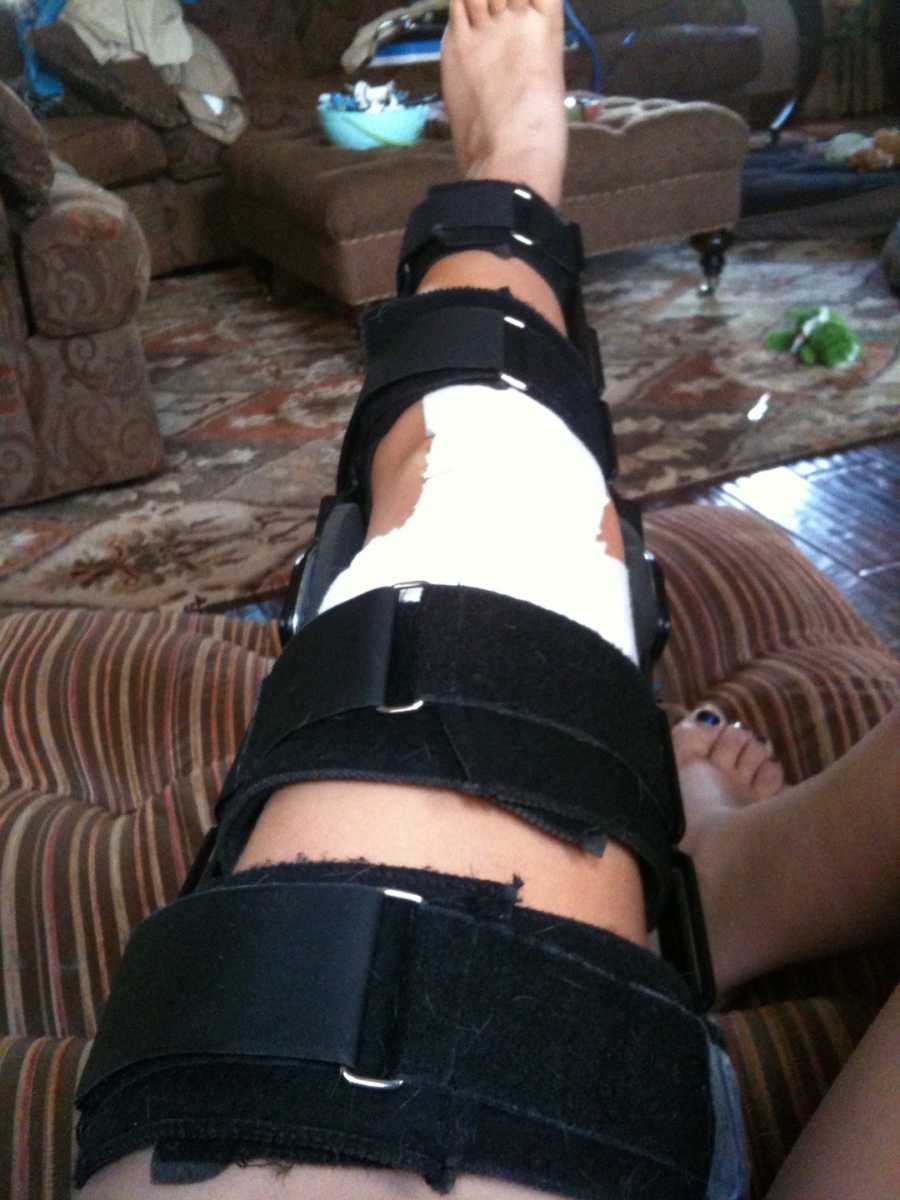
Looking back over my 25 years, I can now see signs that lupus had been lingering for a long time. As a kid, I was energetic and athletic, completely in love with soccer. I played competitively for years as a left defender and loved everything about the sport. But at 12, knee problems suddenly appeared, and I was diagnosed with Osteochondritis Dessicans, a rare cartilage disorder. Between ages 12 and 19, I endured five open knee surgeries. During that time, I also unknowingly lived with a ruptured disc until, at 14, I needed a spinal fusion on my L4–L5 vertebrae.
Losing soccer was my first real heartbreak. When doctors told me I couldn’t go back, it shattered me. Soccer wasn’t just a hobby — it was my identity, my joy, and my escape. Recovery stretched into my freshman year of high school, and while we were grateful the surgeries helped me return to daily life, the loss still stung deeply. Life settled for a while… until lightning struck again.
At 20, I experienced what doctors still describe as a “once-in-a-lifetime medical emergency.” Severe right-sided pain sent me to the ER, where they discovered a tiny two-millimeter kidney stone and assured me it would pass. Two days later, my pain intensified and I developed a fever. Back at the ER, I was told I had stage 4 kidney failure. That tiny stone — infected with Klebsiella — lodged in my ureter, leading to septic shock and pyelonephritis. I was rushed to the ICU, where I spent more than 40 days fighting for my life before doctors ultimately had to remove my kidney. That experience left me with PTSD and memories I still struggle to revisit.
Complications kept coming. After weeks of antibiotics, the healthy bacteria in my digestive system were destroyed, and I developed C. Diff Colitis — so severe that I needed a fecal transplant. Soon after, I lost all my hair. Doctors blamed stress at first, but later we learned it was lupus. I remember sitting in the salon as my hairdresser tried to help restart growth. My mom and I cried the entire time. I wore a wig for a year, embarrassed and brokenhearted, though most people had no idea. Losing my hair made me feel less feminine, less like myself — but eventually, it grew back stronger. Now, as lupus nephritis threatens my remaining kidney, the memory of that time resurfaces constantly.

Just when I thought I had faced enough, another blow came in February 2019. I was scheduled for spinal fusion surgery for Degenerative Disc Disease when, four days before the operation, I was rushed by ambulance to the hospital. Doctors found Deep Vein Thrombosis — a massive clot stretching from my ankle to my stomach. The damage was so severe they were surprised my leg didn’t require amputation.
While hospitalized for over two weeks, everything spiraled. A portion of the clot broke loose, traveling to my lungs and forming multiple pulmonary embolisms. I remember a swarm of doctors rushing in, the crash cart appearing, the code being called, and my nurse whispering reassurance while they prepared medication that could stop and restart my heart. I saw the fear in my parents’ eyes as I closed mine — and the next thing I knew, I was waking up in the ICU, alive but shaken.
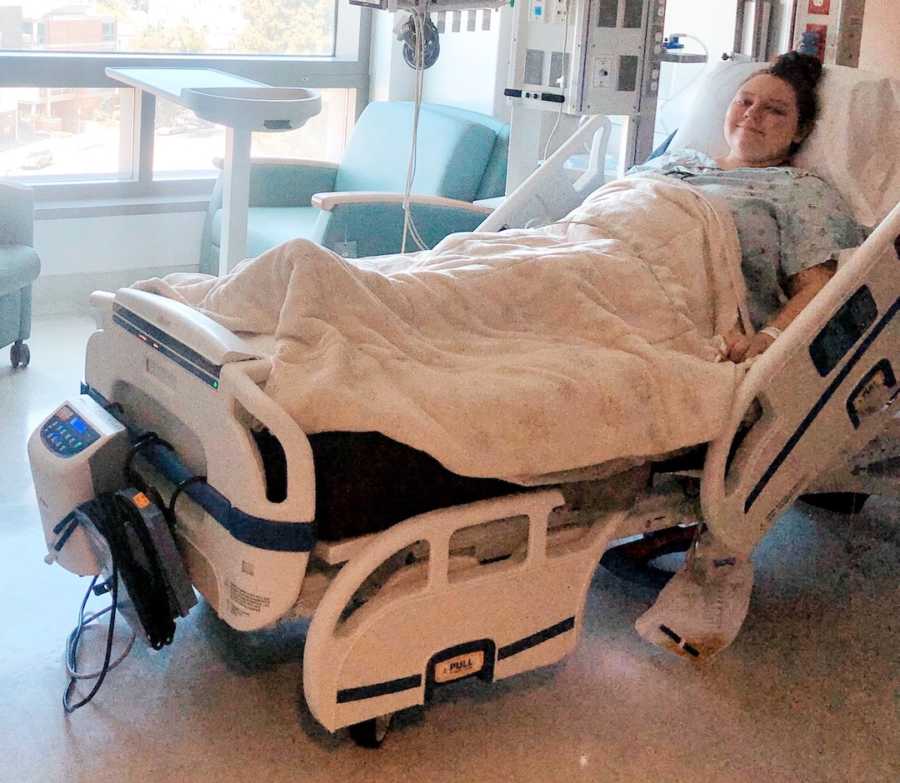
That crisis finally led to another diagnosis: Antiphospholipid Syndrome, a rare autoimmune clotting disorder that often accompanies lupus. I was placed on Coumadin, restricted to a low-vitamin-K diet, and now check my clotting levels several times each week. After that, my health seemed to unravel further. Doctors discovered bladder paralysis, diaphragm paralysis requiring 24/7 oxygen, an inoperable brain tumor, PCOS with rupturing cysts, Hashimoto’s hypothyroidism, Interstitial Cystitis, iron-deficiency anemia, fatty liver disease, and more.
The pandemic made everything even harder. Visitor restrictions meant I faced 15 hospitalizations alone — no parents, no comfort, just me navigating intense pain and frightening conversations with doctors. At first, it was terrifying. But somewhere along the way, I found my voice. I learned to advocate for myself, to question, to speak up when something felt wrong. Those lonely nights built a resilience I never knew I had.
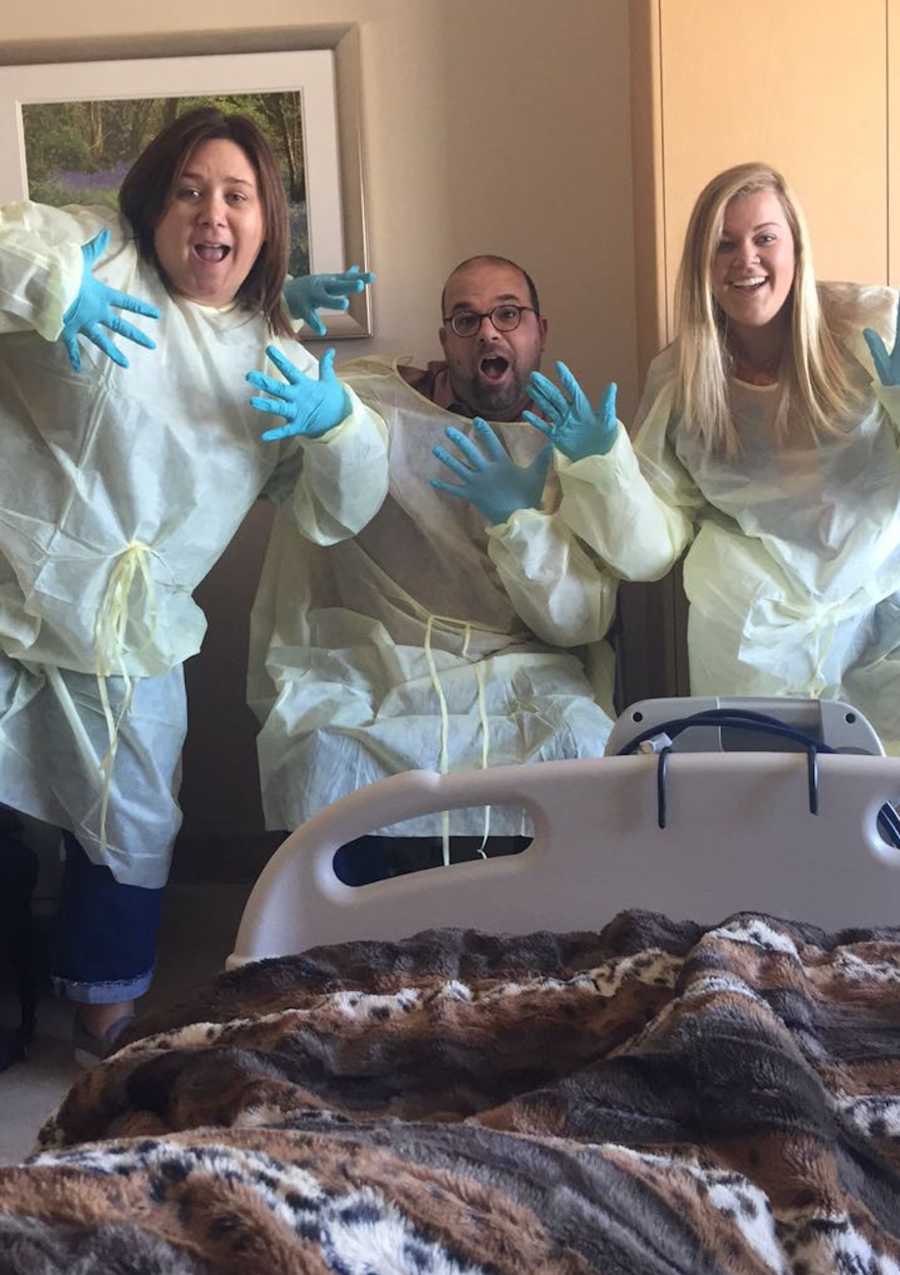
Today, my days vary — some are manageable, others are filled with what my dad gently calls “suffering.” On good days, I soak up every moment: drives with my parents, time with friends, blogging, short walks, anything that sparks joy. Those memories help carry me through the painful days. If I could share one message, it would be this: cling tightly to the moments that make life beautiful. They remind you hope still exists.
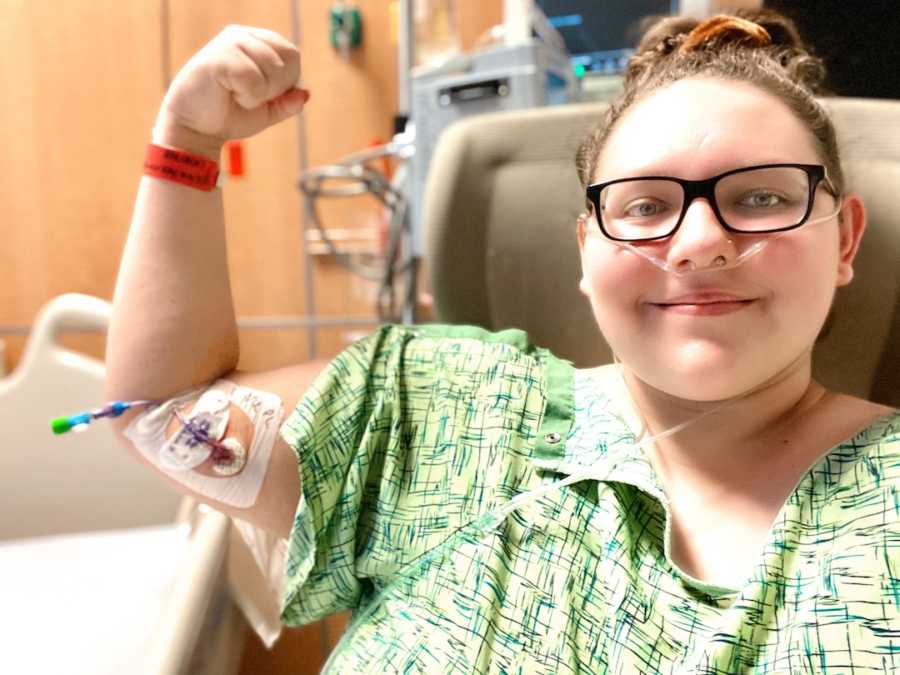
For anyone still searching for answers, never stop pushing. One doctor’s opinion is not the final word. Rest when you need to, regroup, and try again. You know your body better than anyone, and your fight matters. Taking a six-month break once gave us the strength to continue — and eventually, the answers came.
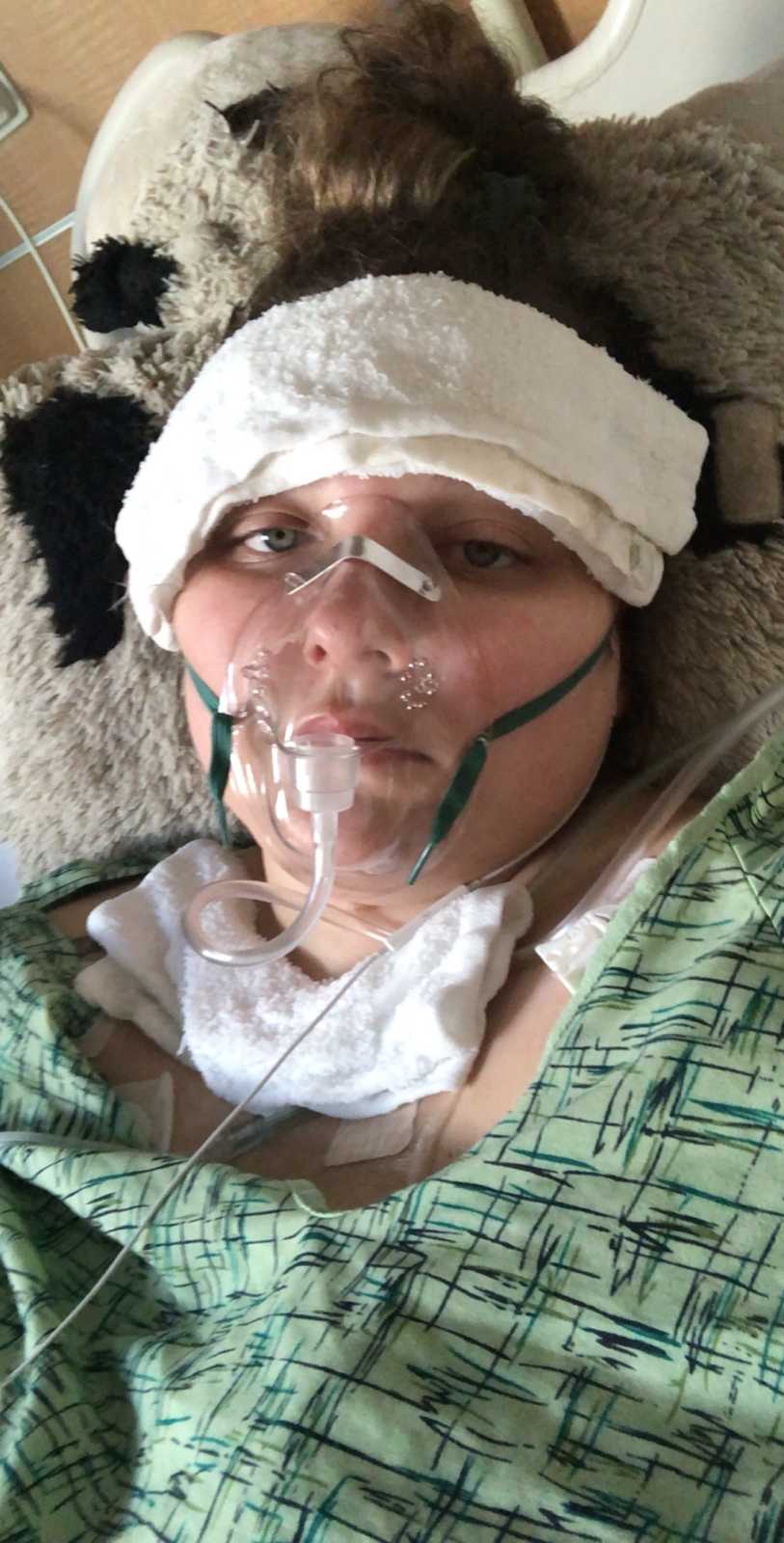
My journey is far from over, and lupus will undoubtedly continue throwing challenges my way. But my support system is strong, my determination is fierce, and my hope remains steady. I’ve survived more than I ever thought possible — and if sharing my story helps even one person feel less alone, then every battle has meaning. I am still here, still fighting, and still believing in brighter days ahead.