In a league obsessed with highlight throws, viral clips, and weekly quarterback rankings, Aaron Rodgers continues to separate himself in an area that rarely trends but ultimately defines longevity, trust, and true quarterback excellence.
After Week 16 of the 2025 NFL season, Rodgers now owns the lowest career interception rate in league history among all qualified passers, a staggering statistical achievement that forces a reexamination of how greatness is measured.
With a career interception rate of just 1.42 percent, Rodgers has protected the football at a level no quarterback has ever sustained across comparable volume, longevity, and systemic change in the modern NFL.
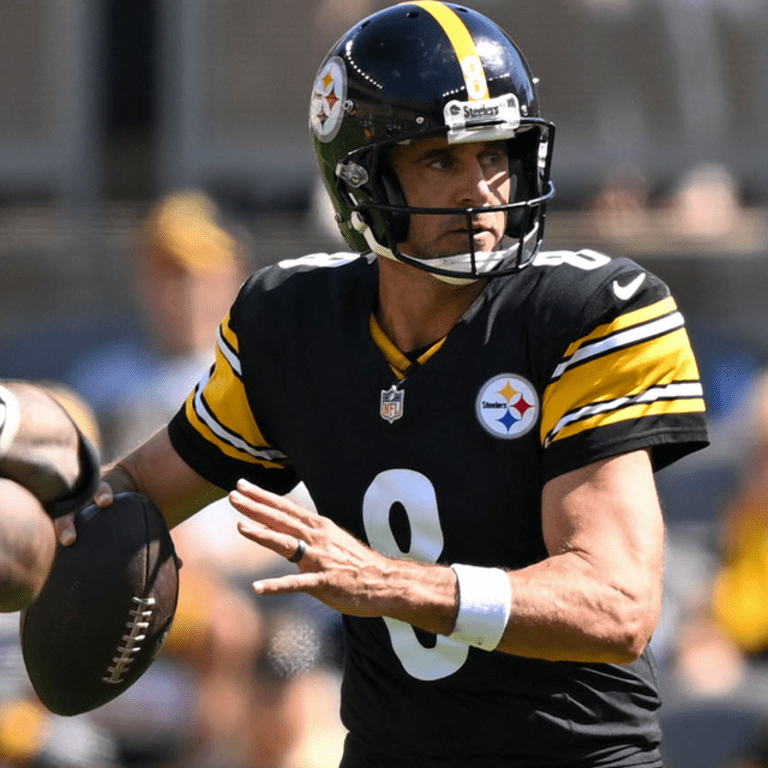
The raw context makes the number even more difficult to comprehend, because this efficiency has been maintained across 8,657 career pass attempts, a workload that would normally erode even the most disciplined decision-makers.
Over those attempts, Rodgers has thrown 123 total interceptions, a figure that seems almost mathematically implausible when compared to peers who accumulated similar volume under far less defensive pressure.
This is not the product of conservative play-calling or avoidance of risk, but rather a testament to elite processing speed, spatial awareness, and an internal clock that has aged better than any quarterback’s in history.
Across 21 NFL seasons, Rodgers has operated in multiple offensive systems, under different coaching philosophies, with evolving personnel, defensive schemes, and league-wide rule changes that often punish quarterbacks who hesitate.
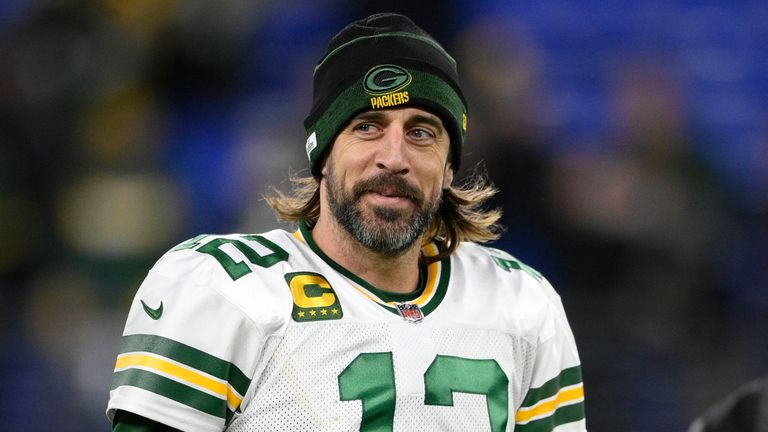 Yet regardless of system or supporting cast, the constant has been Rodgers’ refusal to give opponents free possessions, an element of quarterback play that coaches value deeply but fans rarely celebrate loudly.
Turnover avoidance is one of the most fragile skills for quarterbacks to sustain over time, because physical decline, defensive adjustments, and accumulated film usually conspire to increase mistakes with age.
Rodgers has defied that curve entirely, continuing to protect the football even as arm strength fluctuated, mobility diminished, and defenses increasingly disguised coverages specifically designed to bait veteran quarterbacks.
What makes this achievement even more controversial is how often it is dismissed in favor of louder narratives, such as playoff records, Super Bowl totals, or week-to-week media debates about legacy.
Critics argue that championships define greatness, yet that argument overlooks the foundational truth that postseason success is often built on minimizing mistakes rather than producing spectacle.
In fact, many of the most damaging playoff losses in NFL history can be traced directly to untimely interceptions, reinforcing the idea that ball security is not a supporting metric but a central pillar of winning football.
Rodgers’ career challenges the notion that efficiency is boring, showing instead that disciplined excellence sustained over decades is far rarer and more difficult than brief periods of statistical explosion.
Unlike quarterbacks who rely on volume-based production or scheme-driven advantages, Rodgers’ interception rate reflects individual decision-making that remains stable regardless of environment or offensive philosophy.
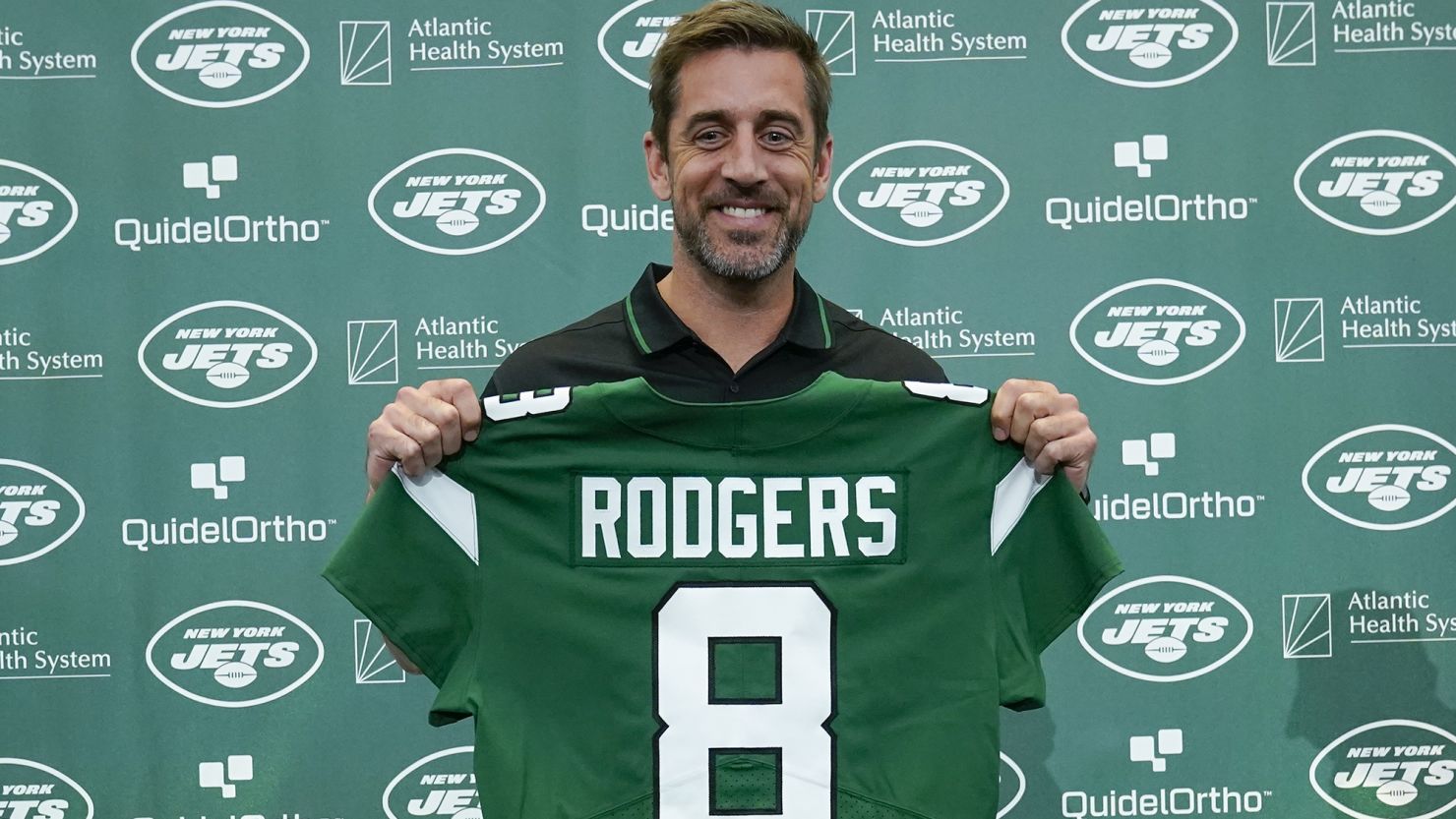
This consistency has created tension in how fans and analysts evaluate him, because his game lacks the volatility that fuels weekly outrage cycles and emotional reactions on social media platforms.
Ironically, the same steadiness that frustrates critics searching for dramatic narratives is precisely what makes Rodgers invaluable to coaches and teammates who understand the true cost of turnovers.
Defensive coordinators have long acknowledged that facing Rodgers requires patience, because he rarely gives defenses momentum-shifting mistakes that can flip games or energize opposing crowds.
That psychological pressure accumulates, forcing defenses to overextend in search of takeaways, which often opens opportunities elsewhere on the field without appearing on highlight reels.
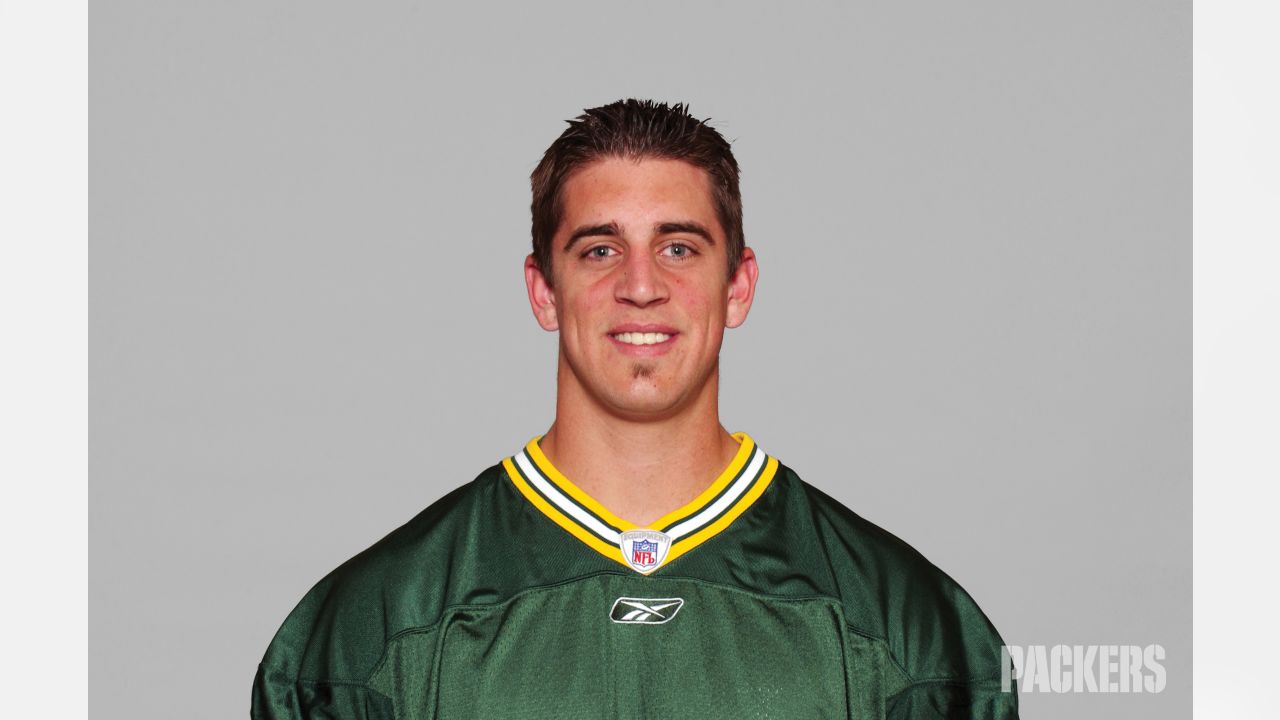
Rodgers’ interception rate also reframes discussions about risk, because it demonstrates that aggression and intelligence are not mutually exclusive when a quarterback masters timing, leverage, and anticipation.
In a league increasingly driven by explosive offense, his career stands as evidence that restraint, when combined with precision, can be just as devastating as reckless boldness.
The debate surrounding Rodgers often exposes a broader discomfort with sustained excellence that lacks narrative peaks and valleys, challenging audiences conditioned to equate greatness with constant spectacle.
What makes this moment particularly relevant is that younger quarterbacks are now entering the league under pressure to produce immediately, often sacrificing long-term efficiency for short-term validation.
Rodgers’ career offers a counterexample, showing that protecting the football across thousands of attempts is not accidental, but the result of habits, preparation, and respect for possession.
As the NFL continues evolving toward faster, more aggressive play styles, the durability of Rodgers’ interception rate may become even more difficult to replicate in future generations.
This raises an uncomfortable question for analysts and fans alike, whether the league has properly valued the quarterbacks who quietly win by refusing to lose games themselves.
Rodgers’ achievement is not about weekly headlines or highlight packages, but about surviving two decades at the game’s most scrutinized position without succumbing to the mistakes that end careers early.
In that sense, his legacy may ultimately rest not on moments of spectacle, but on the discipline to avoid catastrophe when every defense in the league was designed to force one.
Whether celebrated or overlooked, Aaron Rodgers’ turnover mastery represents one of the most statistically dominant, mentally demanding, and historically unmatched accomplishments the quarterback position has ever produced.